米国で頻発するロボタクシー問題、それでもトヨタを売る理由にならず?
Waymo's US Robotaxi Problems — Still Not a Reason to Sell Toyota?
2026年、Googleの自動運転子会社Waymoが、いよいよ東京で商業運行を始めるかも知れません。Waymoの最高プロダクト責任者は、3月のメディア向けイベントで「あと数ヶ月で開始できる準備はある」と発言しています。パートナーはトヨタ自動車。
In 2026, Alphabet's autonomous-driving subsidiary Waymo may finally begin commercial robotaxi operations in Tokyo. At a press event in March, Waymo's Chief Product Officer stated that the team is "ready to launch within a few months." The partner is Toyota Motor Corporation.
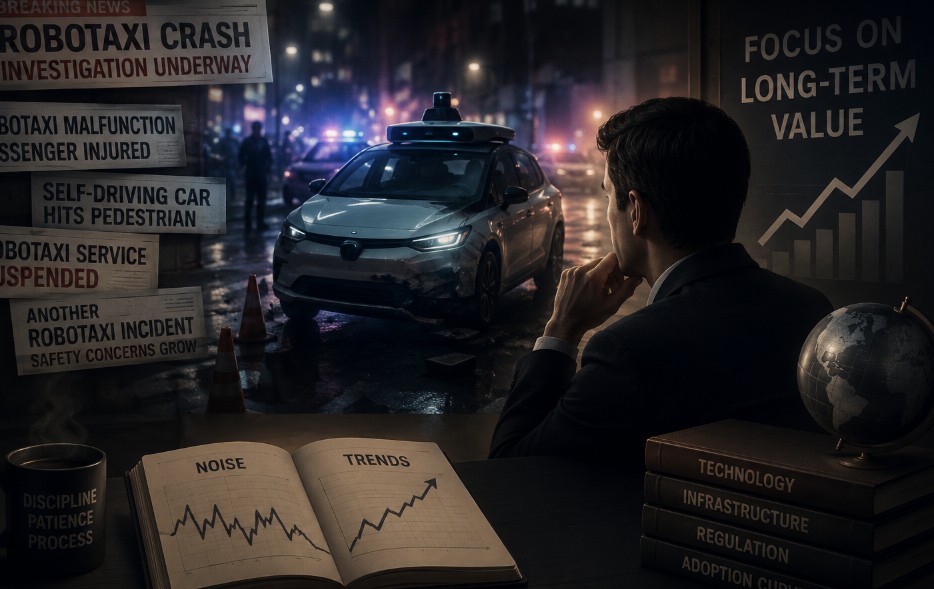
ただ、米国側で起きているWaymo関連のトラブルを日本の報道はあまり追っていません。安全を巡る事象が次々と表面化し、東京での商業運行というタイミングが「リスクが見えていながら船出する」構図になりつつあります。
But Japanese media coverage has largely missed what's happening on the US side. Safety-related incidents are surfacing one after another, and the timing of the Tokyo commercial launch is starting to look like "setting sail with the risks already in view."
Waymoのニュースを見ると、戦略的なパートナーであるトヨタ自動車にも影響が及びそうに感じざるを得ないです。直感的な反応は、「トヨタもリスクに晒される」というものだと思います。ただ、トヨタの投資戦略という視点で考えると答えは違う方向に行きます。むしろトヨタは、Waymoのこの局面で売る理由が薄い構造に位置しています。
Reading the Waymo headlines, it's hard not to feel that the impact will spill over to Toyota as a strategic partner. The intuitive reaction — "Toyota is exposed too" — is the natural one. But viewed through the lens of investment positioning, the answer points in the opposite direction. Toyota, in fact, sits in a structure where there's little reason to sell during this Waymo episode.
※ トヨタ自動車は、2025年4月にWaymoと戦略的パートナーシップを正式発表。WaymoのAV(自動運転)技術と、トヨタの車両製造・ソフトウェア子会社「Woven by Toyota」を組み合わせ、新たな自動運転車両プラットフォームを共同開発する内容。東京を最初の市場と位置付けている。つまり、Waymoが東京で成功するか・つまずくかは、トヨタの自動運転戦略そのものに直結する構図。
※ Toyota Motor Corporation formally announced its strategic partnership with Waymo in April 2025. The partnership combines Waymo's AV (autonomous vehicle) technology with Toyota's vehicle manufacturing and its software subsidiary "Woven by Toyota" to co-develop a new autonomous vehicle platform. Tokyo is positioned as the first market. Whether Waymo succeeds or stumbles in Tokyo is therefore directly tied to Toyota's autonomous-driving strategy as a whole.
米国側で何が起きているのか
What's Happening on the US Side
まず事実関係から。Waymoは2026年に入ってから、その安全性に関連する問題が続いています。
Let's start with the facts. Since the beginning of 2026, Waymo has been hit with a stream of safety-related issues.
2026年1月、米国家運輸安全委員会(NTSB)と米国家道路交通安全局(NHTSA)※が、Waymoのロボタクシー※に対する公式調査を開始しました。きっかけは、スクールバスの停車信号を無視して通過した複数の事例と、学校ゾーンで駐車車両の陰から飛び出した子供にロボタクシーが衝突した事案です。
In January 2026, the National Transportation Safety Board (NTSB) and the National Highway Traffic Safety Administration (NHTSA)※ opened official investigations into Waymo's robotaxis※. The trigger was multiple cases of illegally passing stopped school buses, plus an incident in which a robotaxi struck a child who darted out from behind a parked vehicle in a school zone.
※ NTSB(米国家運輸安全委員会)/NHTSA(米国家道路交通安全局)は、米国の運輸安全を所管する二つの異なる機関。NTSBは事故原因の独立調査機関で、NHTSAは規制執行を担当。両方が同時に調査に入るのは、案件の重要度が高いというシグナル。
※ NTSB (National Transportation Safety Board) and NHTSA (National Highway Traffic Safety Administration) are two distinct US agencies responsible for transportation safety. NTSB is an independent crash-investigation body; NHTSA handles regulatory enforcement. Both opening investigations simultaneously is a signal that the case carries significant weight.
※ ロボタクシーとは、人間のドライバーが運転席にいない、完全自律走行のタクシーサービスのこと。Level 4以上の自動運転技術が前提となる。Waymoはこの分野で世界最大のサービス事業者。
※ A robotaxi is a taxi service in which no human driver sits in the driver's seat — fully autonomous operation. Level 4 or higher autonomy is the technical prerequisite. Waymo is the largest service operator in this category globally.
それだけではありません。CNNの取材によれば、Waymoのロボタクシーは赤信号無視、対向車線への進入、活動中の犯罪現場への進入、緊急道路閉鎖の無視、合法的に横断中の歩行者の数センチ手前まで接近する事案を起こしています。さらにここ2ヶ月で、Waymoは複数の都市で運行を停止し、数千台のリコールを実施。サン・アントニオでは無人運転中のWaymoが冠水した道路に進入し、増水した流れに飲み込まれる事故が発生しました。
And that's not all. According to CNN's reporting, Waymo robotaxis have run red lights, entered oncoming traffic lanes, driven into active crime scenes, ignored emergency road closures, and come within centimeters of pedestrians legally crossing the street. Over the past two months, Waymo has suspended operations in multiple cities and issued recalls covering thousands of vehicles. In San Antonio, an unmanned Waymo drove into a flooded road and was swept away by the rising current.
これを受けて、Waymoはロサンゼルス、マイアミなどでの高速道路運行を全面停止しています。
In response, Waymo has fully suspended freeway operations in Los Angeles, Miami, and other cities.
「あと数ヶ月で東京」というタイミング
The Timing of "Tokyo in a Few Months"
問題は、この米国での連鎖トラブルの真っ最中に、東京での商業運行が予定されているところです。
The issue is that the Tokyo commercial launch is scheduled to happen right in the middle of this US trouble chain.
Waymoは日本交通との共同テストを2024年から続けてきました。2025年4月にはトヨタ自動車との戦略的パートナーシップを発表。技術プラットフォームの共同開発、東京を最初の市場とすることが明文化されました。
Waymo has been running joint tests with Nihon Kotsu since 2024. In April 2025, Waymo announced its strategic partnership with Toyota Motor Corporation, formalizing joint development of the technology platform and naming Tokyo as the first market.
技術的準備が「あと数ヶ月」というのは事実かも知れません。ですが、日本の規制環境は米国と性質が違います。2023年に道路交通法が改正され、Level 4自動運転※が公道で可能になりましたが、運用条件は厳格に定義されています。さらに東京都内での商業運行には、国の許認可と東京都との個別調整が必要です。
The "technically ready in a few months" claim may well be accurate. But Japan's regulatory environment differs in character from the US. The 2023 amendment to the Road Traffic Act made Level 4 autonomous driving※ legal on public roads, but the operational conditions are strictly defined. Commercial operation within Tokyo additionally requires national licensing plus individual coordination with the Tokyo Metropolitan Government.
※ Level 4自動運転とは、自動運転のレベル分類における第4段階。特定の条件下(地理範囲、天候、時間帯など)で、人間の介入なしに完全自律走行が可能なレベル。Level 5は条件なしの完全自律。
※ Level 4 autonomous driving is the fourth stage in the autonomy classification scheme. Under defined conditions (geographic area, weather, time of day, etc.), fully autonomous operation without human intervention is possible. Level 5 is full autonomy under no conditions.
ここまでは、「トヨタも巻き込まれる」と読むのが自然です。ところが、トヨタ株のポジションとして見ると、この構造はむしろ逆の意味を持ちます。
Up to this point, "Toyota gets dragged in too" is the natural reading. But viewed as a Toyota stock position, the structure actually carries the opposite meaning.
なぜトヨタは「負けにくい」のか — 4つの構造的理由
Why Toyota Is "Hard to Lose" — Four Structural Reasons
ここからが本題です。投資判断としてのトヨタを見るとき、Waymoの米国問題は売り材料にはなりません。理由は4つあります。
This is the heart of the argument. When evaluating Toyota as an investment, Waymo's US troubles do not constitute a selling thesis. Four reasons follow.
1. 規模の差が、ダメージを希釈する
1. Scale dilutes the damage
トヨタの時価総額は約40兆円規模※、年間販売台数は約1,000万台、連結売上は約45兆円。Waymo関連の事業は、現時点でこの中の一部に過ぎません。
Toyota's market capitalization is around ¥40 trillion※, annual sales volume is around 10 million vehicles, and consolidated revenue is around ¥45 trillion. Waymo-related business currently represents only a fraction of this.
※ トヨタ自動車の時価総額は2026年6月時点で約40兆円(約2,700億ドル)。世界自動車メーカーで時価総額第2位。
※ Toyota Motor Corporation's market capitalization as of June 2026 is approximately ¥40 trillion (around $270 billion). Second-largest market cap among global automakers.
仮に東京でWaymo関連の重大事故が発生したとしても、トヨタの本業(ハイブリッド車、ピックアップトラック、レクサス、金融子会社)はそのまま動き続けます。これは、自動運転に特化した企業には絶対に持てない構造的な防御です。トヨタの多角化そのものが、Waymo関連リスクの保険になっています。
Even if a serious Waymo-related incident were to occur in Tokyo, Toyota's core business (hybrids, pickup trucks, Lexus, the financial subsidiary) keeps running unaffected. This is a structural defense that an autonomous-only company can never possess. Toyota's diversification is itself the insurance policy against Waymo-related risk.
2. オプショナリティ※が、下げのリスクを限定する
2. Optionality※ limits the downside risk
トヨタはWaymoに「全てを賭けて」いるわけではありません。
Toyota has not "bet everything" on Waymo.
※ オプショナリティとは、金融用語で「複数の選択肢を持つことの価値」のこと。一つの選択肢にコミットせず、状況に応じて選び直せる柔軟性が、リスク評価上の価値を持つ。
※ Optionality is a finance term referring to the value of holding multiple choices. The flexibility to avoid committing to a single option and to re-choose as conditions evolve carries economic value in risk evaluation.
社内には2015年設立のToyota Research Institute(TRI)があり、独自の自動運転研究を継続。Tesla、Apple、中国系AV企業(Pony.ai、WeRide)との将来的なパートナーシップの可能性も残しています。仮にWaymoが東京で行き詰まったとしても、トヨタは次のサイクルに乗り換える選択肢を持っています。
Internally, the Toyota Research Institute (TRI), established in 2015, continues its own autonomous-driving research. Future partnership possibilities with Tesla, Apple, and Chinese AV companies (Pony.ai, WeRide) also remain on the table. Even if Waymo were to stall out in Tokyo, Toyota holds the option to switch to the next cycle.
3. アップサイドは、本業並みに大きくなる可能性がある
3. The upside could grow on par with the core business
仮にWaymoが東京で成功し、Toyota-Waymoプラットフォームが世界のロボタクシーの標準になった場合、トヨタが取れる市場規模は別次元になります。
If Waymo succeeds in Tokyo and the Toyota-Waymo platform becomes the global robotaxi standard, the addressable market Toyota can capture moves to an entirely different order of magnitude.
世界のロボタクシー市場は、2030年までに約450億〜1,040億ドル規模に達するというのが、MarketsandMarketsやNextMSCなど複数の調査会社のコンセンサスです。これはトヨタの既存事業に上乗せされる「新規ビジネスライン」です。下方には限定的なダウンサイドしかなく、上方には本業並みの新規事業が乗る、典型的な非対称構造※です。
The consensus among research firms including MarketsandMarkets and NextMSC is that the global robotaxi market will reach roughly $45 billion to $104 billion by 2030. This is a "new business line" stacked on top of Toyota's existing business. Limited downside below, core-business-scale new business above — a textbook asymmetric payoff structure※.
※ 非対称構造(asymmetric payoff)とは、上下のリターン分布が均等でない状態。下振れリスクが限定的で、上振れリターンが大きい構造は「ポジティブに非対称」と呼ばれ、オプション保有と類似の性質を持つ。
※ An asymmetric payoff structure refers to a state in which the upside and downside return distributions are not equal. A structure where downside risk is limited and upside return is large is called "positively asymmetric" and carries properties similar to holding an option.
MarketsandMarkets — Robotaxi Market 2030 Forecast
4. ジャガーの前例が、教えていること
4. What the Jaguar precedent teaches us
ここが見落とされやすいポイントです。Waymoの現行ロボタクシー車両はJaguar I-PACE※です。
This is the point most readers overlook. Waymo's current robotaxi vehicle is the Jaguar I-PACE※.
※ Jaguar I-PACEは、Jaguar Land Rover(JLR)が製造する電動SUV。Waymoは2018年に最大2万台規模の発注契約を結び、現在も米国都市のWaymo車両の大半を占める。
※ The Jaguar I-PACE is an electric SUV manufactured by Jaguar Land Rover (JLR). Waymo signed a procurement contract of up to 20,000 units in 2018, and the model still accounts for the majority of Waymo's fleet across US cities today.
過去6年間、Waymoは数十件の事案を起こしています。にもかかわらず、Jaguarのブランドや株価が大きく毀損したことはありません。なぜか。「Waymoが赤信号を無視した」というニュースは流れますが、「Jaguarが赤信号を無視した」という見出しにはなりません。判断ミスは車体の問題ではなく、自動運転ソフトウェアの問題と認識されるからです。
Over the past six years, Waymo has been involved in dozens of incidents. And yet, Jaguar's brand and stock price have not suffered meaningful damage. Why? News headlines read "Waymo ran a red light," not "Jaguar ran a red light." The judgment failure is perceived as a software problem, not a vehicle problem.
この前例は、東京の初期運行(依然としてJaguar車両)にも、その後のToyota車両への切り替え後にも適用できると考えられます。
This precedent is likely to apply both to the initial Tokyo operation (still using Jaguar vehicles) and to the eventual transition to Toyota-built vehicles.
「もっと深いパートナーシップに移行したら?」
"What If the Partnership Deepens?"
ここで、自然な反論が出ます。「ジャガーは単純な車両供給だったから無傷だった。トヨタは戦略パートナーで、もっと深く入る予定なら、構造は違うのでは?」
A natural counterargument emerges here: "Jaguar got off clean because it was a simple vehicle supplier. Toyota is a strategic partner, and if they plan to go deeper, isn't the structure different?"
この反論は半分正しくて、半分は構造的に違います。
This counterargument is half correct, and half structurally different.
深いパートナーシップに移行する際、トヨタには相応の交渉力があります。資本コミット、ブランド貸与、共同開発リソース。これらを差し出すからには、引き換えに以下を要求できます。第一に責任配分の明確化(自動運転スタックの判断ミスはWaymo帰責)、第二にIPキャリーアウト(ToyotaがWaymo技術の一部を自社の個人所有車に応用する権利)、第三にパフォーマンスマイルストーンに連動した解除条項、第四にコブランディングの制御権(トヨタロゴをどこまで目立たせるかの選択権)。
When transitioning to a deeper partnership, Toyota holds commensurate negotiating leverage. Capital commitments, brand lending, joint R&D resources. In exchange for putting these on the table, Toyota can demand the following. First, clear liability allocation (judgment errors in the autonomous stack attributable to Waymo). Second, IP carve-outs (Toyota's right to apply parts of Waymo's tech to its own personally-owned vehicles). Third, termination clauses tied to performance milestones. Fourth, co-branding control (the right to choose how prominently the Toyota logo appears).
つまり、深く入るほどトヨタは交渉力を持ち、守りの施策を構造的に組み込めます。$10Mの納入契約には弁護士はあまり関与しませんが、巨額の戦略提携には条項ごとに専門家が入るのが常です。
In other words, the deeper Toyota goes, the more leverage it holds, and the more it can structurally embed defensive measures. A $10 million procurement contract doesn't involve many lawyers, but a major strategic partnership routinely has specialists working on every clause.
さらに、規制側の構造的バイアス
And: the Regulator's Structural Bias
もう一つ、見落とされがちな点があります。
There is one more point that gets overlooked.
仮にToyota-Waymo車両が東京で深刻な事故を起こしたとき、日本の規制当局にはトヨタを潰す選択肢が実質的にありません。(陰謀論チックではありますが、、)トヨタは日本経済における雇用、輸出、税収のすべてで最重要級の企業です。規制対応は、運用側(Waymo側のソフトウェアスタック、人間オペレーターの配置義務、地理的制限など)に向かう可能性が高いです。
If a Toyota-Waymo vehicle were to cause a serious incident in Tokyo, Japanese regulators effectively don't have the option to crush Toyota. (This sounds slightly conspiratorial, but bear with me.) Toyota ranks among the most critical companies in the Japanese economy across employment, exports, and tax revenue. The regulatory response is likely to fall on the operational side (Waymo's software stack, mandatory human-operator placement, geographic restrictions, etc.).
外国のソフトウェアスタックは規制で締め付けられますが、自国のナショナルチャンピオンは構造的に保護されます。これは日本特有の現象ではなく、世界中の自動車産業で観察される標準パターンです。
Foreign software stacks get squeezed by regulation; domestic national champions are structurally protected. This is not a uniquely Japanese phenomenon — it's the standard pattern observed across automotive industries worldwide.
投資家として、本当に見るべき指標
What Investors Should Actually Watch
ここまでの構造分析を踏まえると、トヨタ株主が監視すべき指標は、世間で言われているものとは違います。
Given this structural analysis, the indicators Toyota shareholders should monitor differ from what's commonly discussed.
正しい指標は3つあります。
There are three correct indicators.
第一に、Toyota-Waymo戦略提携の進捗マイルストーン。コミット深度が増していくスピードと、その都度の契約条件の開示内容。深まり方が「健全」か「過剰」かを判定する材料です。
First, the progress milestones of the Toyota-Waymo strategic partnership. The pace at which commitment depth increases, and the disclosed contractual terms at each step. This is the material for judging whether the deepening is "healthy" or "excessive."
第二に、Toyota Research InstituteのR&D予算と人員規模。並行する独自自動運転技術開発の縮小が始まったら、それは選択肢の放棄シグナルです。
Second, the Toyota Research Institute's R&D budget and headcount. If the parallel in-house autonomous-driving development begins to shrink, that's a signal that optionality is being surrendered.
第三に、トヨタ決算電話会議でのWaymo関連の質問への回答トーン。「順調」「予定通り」「中長期的に評価」のような定型回答が続く限り、構造は維持されています。トーンが変わったときが、初めての警戒シグナルです。
Third, the tone of Toyota's earnings-call responses to Waymo-related questions. As long as boilerplate answers like "on track," "as planned," "evaluating over the medium-to-long term" continue, the structure is intact. The moment the tone changes is the first warning signal.
逆に、世間で騒がれるWaymoの米国での事故は、トヨタ株の判断材料としては既に折り込まれている可能性が高い情報です。反応しない方が合理的です。
Conversely, the Waymo US incidents that dominate public chatter are likely information that has already been priced into Toyota stock. Not reacting to them is the rational stance.
まとめ — 売る理由は、まだない
In Summary — There's Still No Reason to Sell
トヨタ株について「Waymoの問題があるから売ろう」という判断は、構造を見ると合理性がありません。
The judgment "Waymo has problems, so let's sell Toyota stock" doesn't hold up structurally.
下方のリスクは限定される一方(多角化、オプショナリティ、規制保護)、上方には新規ビジネスラインのアップサイド(成功時のロボタクシー市場参入)。Jaguarの6年間の前例も、ピュアな自動車ブランドが自動運転事案で毀損しない構造を示しています。
Downside risk is contained (diversification, optionality, regulatory protection), while the upside is a new business line (entry into the robotaxi market if it succeeds). Jaguar's six-year precedent also demonstrates the structure by which a pure automotive brand is not damaged by autonomous-driving incidents.
投資判断は、感情ではなく構造で見るほうがいい、というのが現時点の読みです。
Investment judgments are better made on structure than on emotion — that's the read as it stands.
東京で走るかも知れないロボタクシーの話はどこかサイバーパンク感があって、Omochi編集部は楽しみにしています。
There's a cyberpunk feel to the prospect of robotaxis running in Tokyo, and the Omochi editorial team is genuinely looking forward to it.
数か月後ロボタクシーに乗ってどこか会食に行く際は、僕らのアプリのことも是非思い出してください。
A few months from now, when you find yourself taking a robotaxi to a business dinner somewhere, please do remember our app as well.
会食の場所を決める幹事の方の強い味方です。
It's a strong ally for whoever ends up being the one to pick the venue.